
Re-thinking Rig Hydraulics: Why Electric HPUs Are Replacing Diesel Units
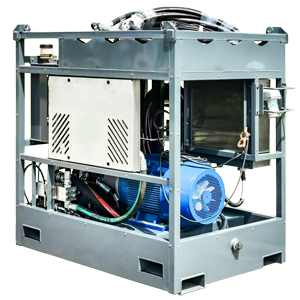
Conventional hydraulic power on most North American land rigs still arrives on the back of a diesel truck. That engine may idle for twelve or more hours a day, burning fuel, vibrating the rig floor, and demanding regular maintenance. Electric hydraulic power units (eHPUs) offer a cleaner, quieter, and far more reliable alternative. By tapping the rig’s existing electrical grid, an eHPU removes a diesel engine, a truck, and a long list of hidden costs.
Why Operators Are Making the Switch
Lower fuel spend
A diesel HPU typically consumes eighteen–twenty-five litres of fuel per operating hour. Replacing that engine with an eHPU can cut annual fuel use by up to ninety percent, depending on the rig’s generator efficiency.
Fewer maintenance delays
Diesel engines come with filters, belts, injectors, and turbos that need attention. An eHPU relies on an electric motor and a variable-frequency drive, both of which run for thousands of hours with little more than routine inspections.
Quieter, safer rig floors
Removing a high-idle engine drops rig floor noise by eight to ten decibels. Crews communicate more easily, and the reduced exhaust heat lowers hot-work exposure around the power pack.
ESG alignment
Every barrel of diesel removed from a project lowers Scope 1 emissions. When corporate reports highlight real, measurable progress, investors and regulators take note.
Typical Deployment Snapshot
| Metric | Diesel HPU | Electric HPU |
| Fuel use | 20 L per hour | 2 L per hour* |
| Service interventions | 1.5 / 100 rig days | 0.4 / 100 rig days |
| Noise at driller’s console | 88–90 dBA | 78–80 dBA |
| CO₂e reduction | — | ≈ 25 t per rig per month |
*Power drawn from the rig’s existing generators, measured as diesel equivalent.
Key Design Elements
Plug-and-play skid footprint
The eHPU drops into the same space the diesel unit occupied. No structural rework is required; the skid bolts to existing sub-base mounts.
Variable-frequency drive (VFD)
The motor sees only the load it needs. Pressure rises quickly during make-up and backs off when idle, avoiding energy waste.
Digital telemetry
Built-in sensors stream flow, pressure, and temperature to the driller’s console and to remote dashboards, allowing proactive maintenance.
Winter-ready heaters and summer-ready coolers
Integrated temperature control keeps hydraulic oil in its ideal viscosity window from minus forty to fifty degrees Celsius.
Choosing the Right Project for an eHPU
- High diesel costs or long fuel hauls
If trucks travel significant distances for re-supply, a fuel-free HPU produces instant savings.
- Strict noise or emissions limits
Many counties and lease agreements now cap sound levels or mandate lower greenhouse gas output. An eHPU checks both boxes.
- Remote pads with limited maintenance access
Less mechanical complexity means fewer on-site technicians and fewer unplanned shutdowns.
- Pad drilling with tight space constraints
Removing a truck-mounted HPU frees up valuable cellar or pipe-rack real-estate, simplifying rig moves on crowded multi-well pads.
- Sites with stringent spill-prevention plans
Eliminating a diesel engine and saddle tanks reduces onsite hydrocarbon inventory, easing compliance with spill-containment and reporting rules.
Implementation Best Practices
- Load study first
Audit generator capacity. Most modern rigs have ample reserve power once the mud pumps idle.
- Phased rollout
Many operators retrofit one or two rigs, collect fuel and maintenance data for six months, then expand.
- Crew orientation
Even though the eHPU is “plug and pump,” electricians and mechanics should walk through start-up, VFD settings, and shut-down procedures before the first run.
- Data tracking
Capture diesel savings, noise readings, and maintenance hours from day one. Clear numbers make the capital decision easy for the next rig.
Beyond Compliance: Tangible Operational Gains
An eHPU is more than an environmental upgrade. Crews notice the quieter workspace on the first day. Maintenance staff appreciate half the filter changes and none of the diesel spill paperwork. Finance teams see fewer unbilled rig hours. These wins add up quickly when multiplied across a fleet.
Looking Ahead
Electric HPUs are already standard on several high-spec walking rigs. As more operators adopt low-emission technologies, the diesel HPU is set to become a legacy item. Whether the goal is to hit corporate net-zero targets or simply to keep one more truck off the lease road, an eHPU delivers measurable value from the first shift.
Interested in seeing how an electric HPU could fit your rig program? Hybrid Energy Services can provide a field-ready assessment, projected fuel and emission savings, and a deployment schedule that aligns with your drilling calendar. Reach out to learn more.